


What Partial Delivery Means in Printing #
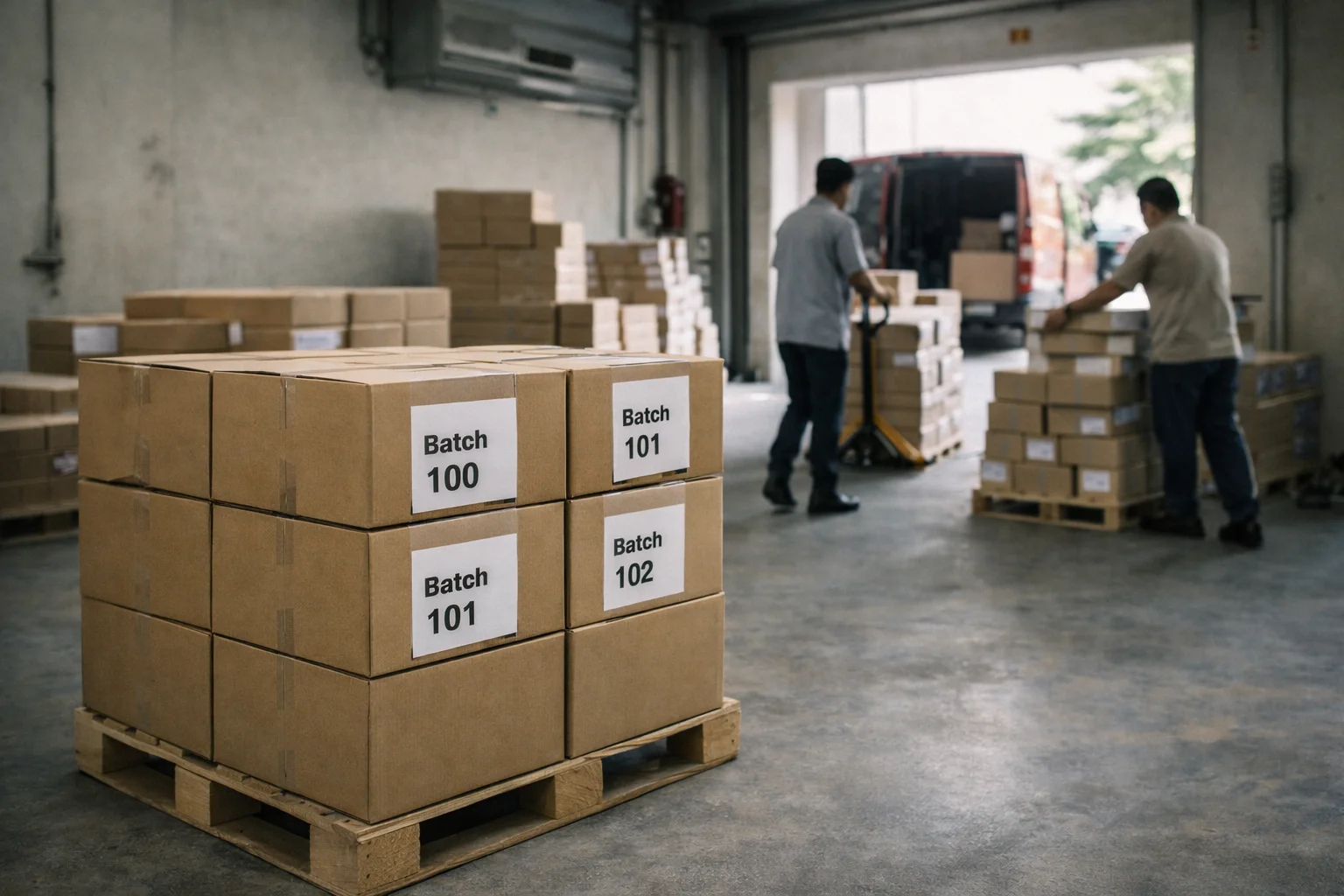
Partial delivery, sometimes called split shipment, occurs when a single print order is delivered in multiple batches instead of as one complete shipment. This can happen intentionally at the customer’s request or because different components of the order complete production at different times.
For example, a brochure order might have most copies ready quickly while a smaller portion with special finishing takes longer. In such cases, the completed items can be shipped first, followed by the remaining quantity later.
Partial delivery is primarily a logistics and scheduling decision rather than a change to the printing process itself.
Common Reasons for Split Shipments #
Split shipments are typically used when:
-
Part of the order is needed urgently
-
Different items in the same order have different production times
-
Finishing stages vary across quantities
-
Multiple delivery locations are required
-
Storage space is limited at the receiving end
-
Phased distribution is planned for events or campaigns
They can also occur when courier capacity limits apply or when production finishes after daily dispatch cut-offs.
How Split Shipments Affect Production Scheduling #
When a job is divided into multiple deliveries, production planning becomes more complex. Teams must:
-
Track quantities across batches
-
Perform quality checks for each shipment
-
Pack and label separately
-
Schedule multiple courier collections
-
Maintain inventory for the remaining balance
This additional coordination may influence turnaround times for the later portions of the order.
Impact on Pricing and Logistics #
Split shipments can involve additional costs, such as:
-
Extra packing materials
-
Multiple courier fees
-
Additional handling labour
-
Separate documentation
-
Warehouse staging
These charges depend on the number of shipments, delivery locations, and urgency.
For quotation-based projects, partial delivery requests are usually priced upfront so logistics can be planned accurately.
Product Types That Commonly Use Partial Deliveries #
Split shipments are more frequent for:
-
Large-volume orders
-
Multi-item campaigns
-
Event materials
-
Retail rollouts
-
Franchise deployments
-
Mixed finishing jobs
They are less common for small, single-product orders where all items finish at the same time.
When Partial Delivery May Not Be Feasible #
Split shipments are not always possible. Constraints can include:
-
Minimum courier volumes
-
Packaging requirements for fragile items
-
Security or compliance rules
-
Production batching efficiencies
-
Binding or finishing processes that require full runs
-
Custom tooling stages that affect all copies equally
In such cases, orders may need to be delivered in a single consolidated shipment.
Requesting Partial Deliveries in Advance #
If split shipments are required, they should be specified before production begins. This allows production teams to:
-
Plan press runs accordingly
-
Allocate finishing capacity
-
Schedule logistics
-
Quote accurately
-
Label consignments correctly
Requests made after production has started may not be possible or may lead to rescheduling.
Partial Delivery for RFQ-Based Jobs #
RFQ projects often involve complex logistics and benefit most from planned split shipments. Typical scenarios include:
-
Corporate campaigns launching in phases
-
National or regional distribution
-
Multi-venue events
-
Mixed-product bundles
Because these projects are customised, delivery schedules are usually agreed as part of the quotation rather than selected during checkout.
How to Decide if You Need Split Shipments #
Consider requesting partial delivery if:
-
Some items are urgently needed
-
Campaign phases are staggered
-
Warehousing space is limited
-
You need deliveries to different addresses
-
Different quantities must arrive at different times
If none of these apply, a single consolidated delivery is usually simpler and more cost-effective.
Summary #
Partial deliveries and split shipments allow portions of a print order to be delivered as they are completed. They are useful for urgent needs and phased campaigns but add complexity to scheduling and logistics.
Planning these arrangements early — especially for RFQ-based projects — helps ensure realistic timelines and accurate pricing.


