
Why Proofing Is Part of Commercial Printing #
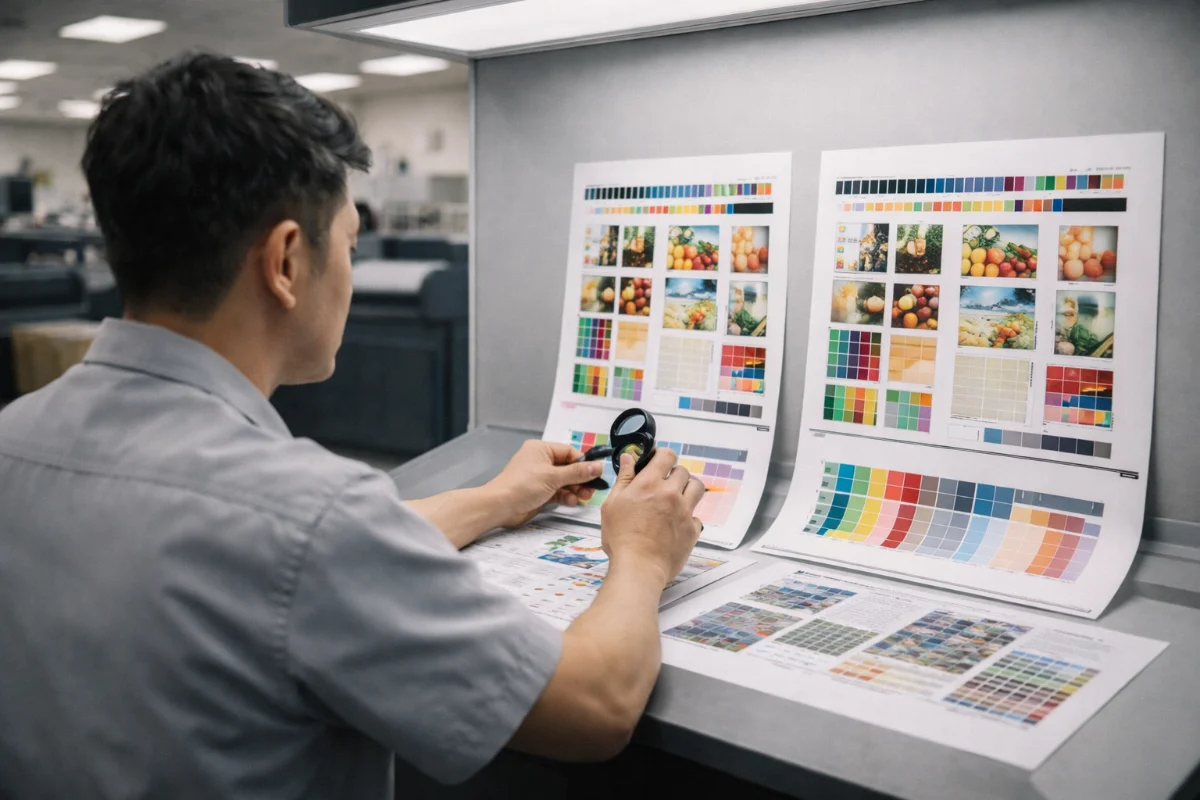
Proofing is a quality-control step used to verify that artwork is correct before production begins. It allows customers to confirm layout, content, pagination, and certain technical elements so that errors can be corrected early rather than after printing has started.
Not all orders require formal proofing, but when it is included or requested, the proof becomes a mandatory checkpoint. Production does not proceed until the proof is approved.
Understanding how proofing works — and what revision limits apply — helps avoid unexpected delays and keeps projects aligned with scheduled turnaround times.
What a Print Proof Represents #
A proof is a preview of how the final printed piece is expected to appear based on the submitted artwork and production specifications.
Depending on the product and workflow, a proof may be:
-
A digital PDF preview
-
A colour-managed soft proof
-
A single-sheet sample print
-
A bound mock-up for booklets or catalogues
Proofs are typically used to verify:
-
Page order and layout
-
Trim lines and bleed
-
Text accuracy
-
Image placement
-
Spot colour separation
-
Finishing layers such as Spot UV or die-cut paths
They are not intended for major redesign or content changes.
Types of Proofs Commonly Used #
Digital Soft Proofs #
Soft proofs are PDF previews delivered electronically. They are used to confirm:
-
Layout and positioning
-
Pagination
-
Trim and bleed setup
-
Finishing layers
-
Spelling and content
They do not replicate paper texture or exact colour appearance unless viewed on a calibrated screen.
Physical Hard Proofs #
Hard proofs are printed samples produced before the full run begins. They may be requested when:
-
Colour accuracy is critical
-
The project involves special paper
-
Finishing needs to be verified physically
-
Stakeholders require a tangible sample
Because they involve additional printing and handling, hard proofs typically add time to the schedule.
When Proofing Is Required #
Proofing is commonly required for:
-
Multi-page documents
-
High-value orders
-
Custom sizes
-
Die-cut or Spot UV jobs
-
Booklets and bound products
-
RFQ-based projects
-
Colour-sensitive branding materials
For simpler products with print-ready files, proofing may be optional or bypassed at the customer’s discretion.
What Happens During the Proofing Stage #
Once artwork passes preflight checks, a proof is generated and sent for review. At this point:
-
The order is placed on hold
-
Production capacity may be tentatively reserved
-
The turnaround clock pauses
-
Any pending cut-off deadlines are suspended
The job re-enters production only after explicit approval is received.
Understanding Revision Limits #
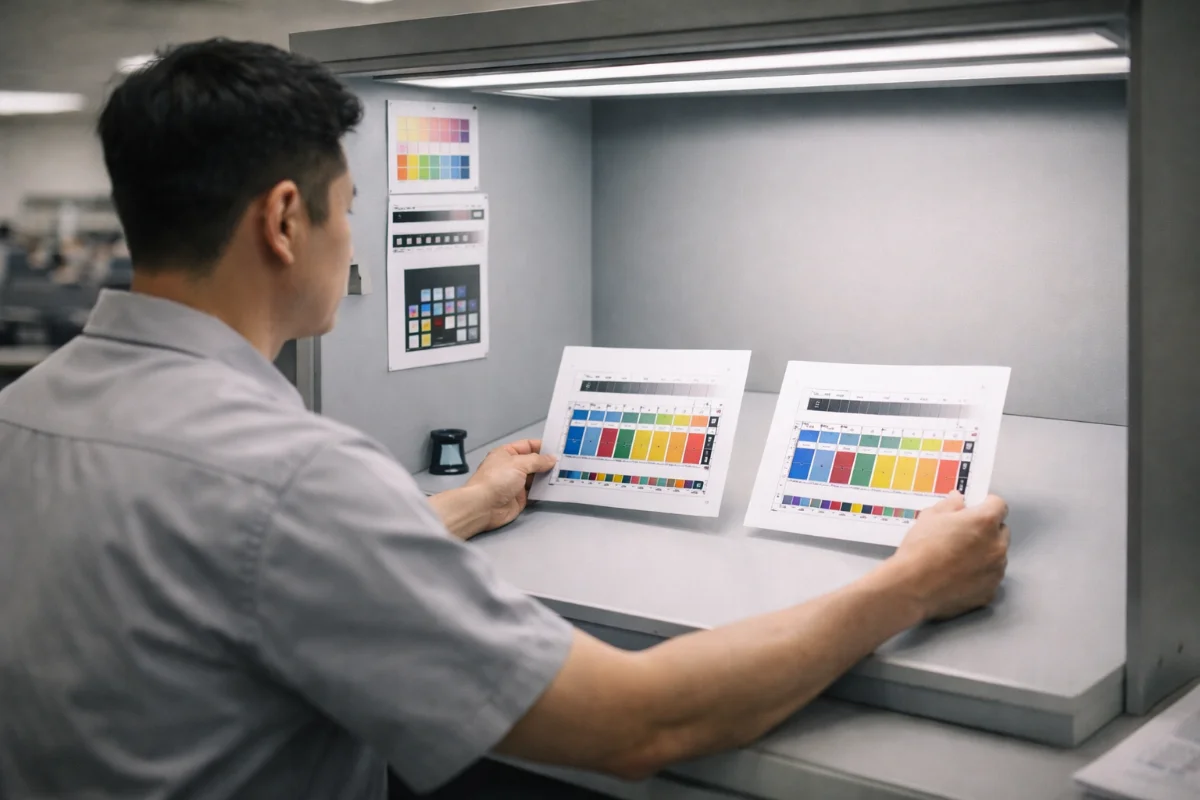
Most print workflows allow a limited number of revision cycles during proofing. This is because repeated changes disrupt production schedules, press planning, and material allocation.
Revision limits usually apply to:
-
The number of proof rounds
-
The scope of changes
-
How long approval can be pending before rescheduling is required
Typical acceptable revisions include:
-
Correcting spelling errors
-
Adjusting margins
-
Fixing bleed
-
Replacing images
-
Updating spot colour layers
Major redesigns, format changes, or specification updates may require:
-
New proofing cycles
-
Re-quotation
-
Revised delivery dates
-
Additional charges
How Revisions Affect Turnaround Time #
Every revision restarts part of the workflow:
-
Files must be rechecked
-
New proofs created
-
Press slots adjusted
-
Finishing schedules recalculated
As a result, even small changes can push a job past its original delivery window, especially when the order is already close to a production cut-off.
To avoid disruption, it is best to submit finalised artwork before proofing begins.
What Approval Means #
Approving a proof usually indicates that:
-
All content has been checked
-
Layout and pagination are correct
-
Finishing layers are accurate
-
You accept the artwork as final
Once approved, changes are typically not allowed without restarting the process. If changes are requested after approval, the job may need to be cancelled and resubmitted.
Common Mistakes During Proofing #
Delays often occur when:
-
Proofs are not reviewed promptly
-
Multiple stakeholders request changes sequentially
-
Feedback is unclear or incomplete
-
Revised files are not labelled correctly
-
New specifications are introduced mid-process
Assigning a single reviewer and consolidating feedback helps keep projects on track.
Best Practices for Efficient Proofing #
To minimise delays:
-
Review proofs carefully the first time
-
Check all pages and details
-
Confirm finishing layers
-
Verify quantities and sizes
-
Respond quickly
-
Avoid introducing new design concepts
-
Finalise specifications before submission
Summary #
Proofing is a critical checkpoint in commercial printing that protects against costly errors but can affect turnaround times when revisions are required.
Understanding proof types, approval workflows, and revision limits allows you to plan schedules realistically and avoid unnecessary production delays.


